For most of the twentieth century, this corner of northwest Milan was home to the city’s great trade fair. When the fair moved out to Rho, the space was reimagined from scratch, and the result is CityLife: three landmark skyscrapers, one of the largest parks in central Milan, an open-air sculpture museum and a shopping district, all in a neighbourhood designed almost entirely for people on foot.
It is the most contemporary face of the city, and a very different Milan from the cobblestones of Brera.
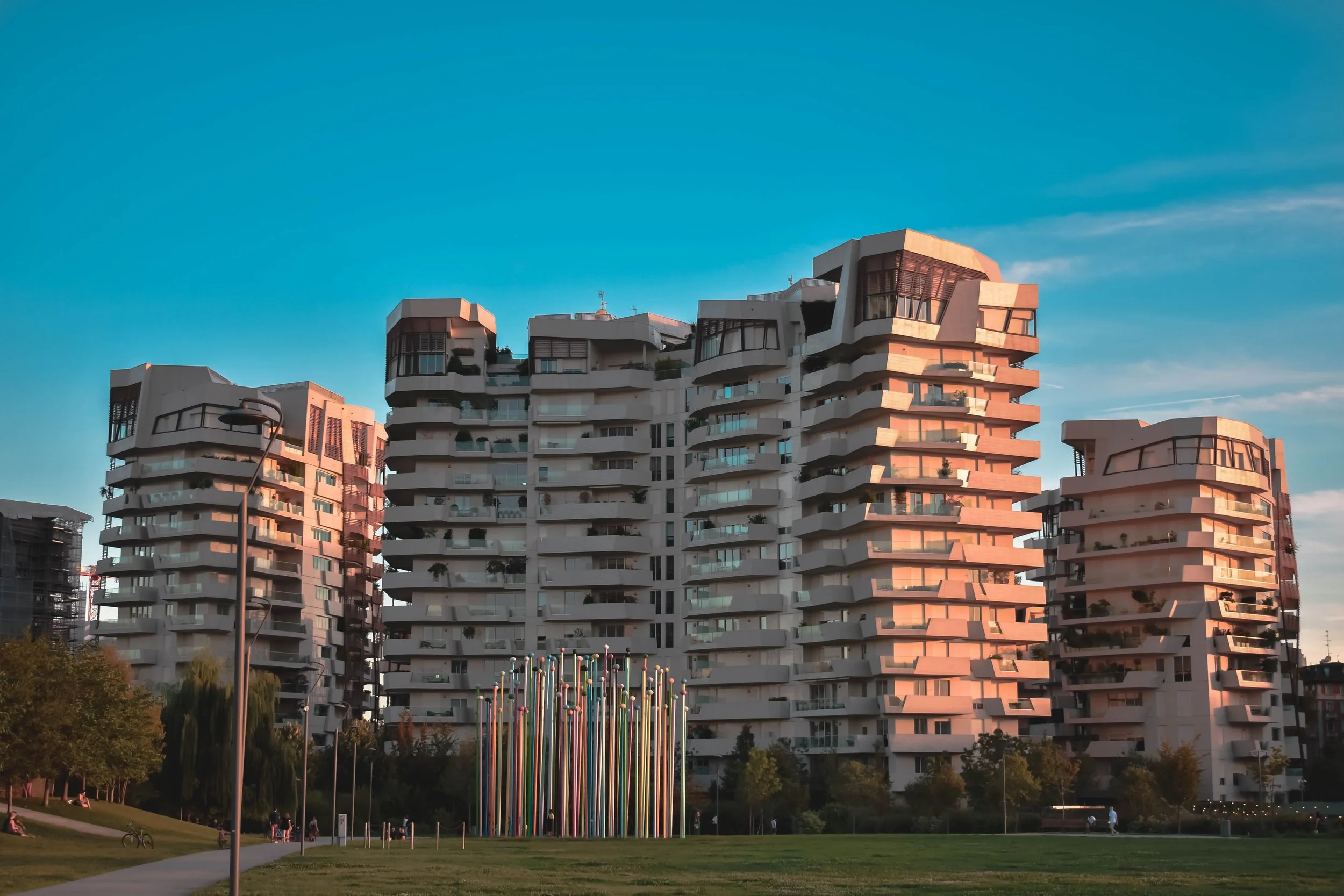
Area overview
Location: Northwest of the centre, on the site of the former Fiera Campionaria, between Piazza Giulio Cesare and the Portello area.
Main transport: the M5 lilac line, with Tre Torri station opening directly onto the main square, plus trams and buses around the edges.
Distance to Duomo: around 15 to 20 minutes by public transport.
Atmosphere: modern, green, calm and car-free, with a business-district energy by day.
One of the defining features here is that the traffic runs underground, so the surface is given over to piazzas, paths and green space. It makes CityLife one of the most pleasant parts of the city to simply walk around.
What to see
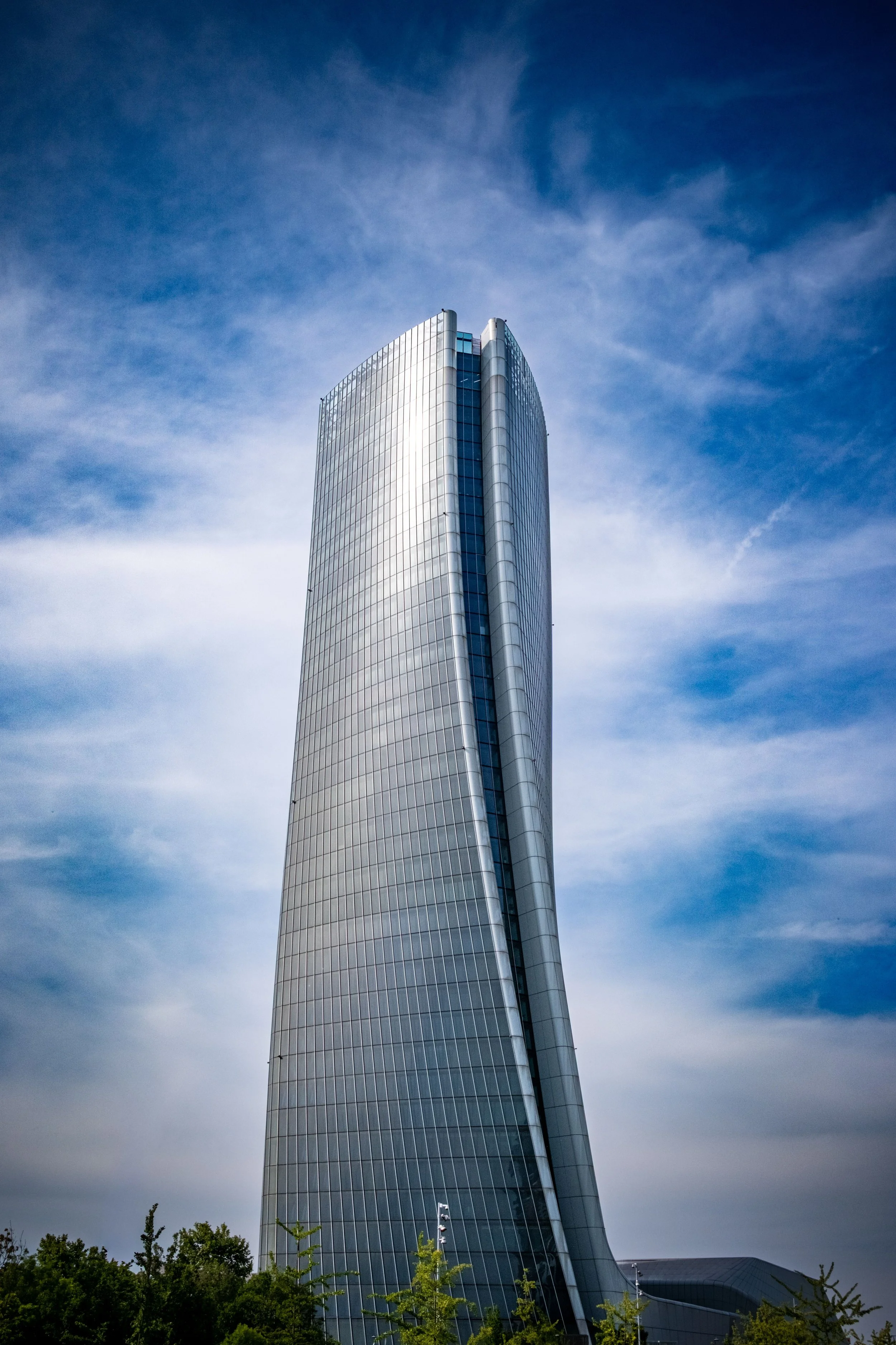
The Tre Torri are the signature of the district and one of the most recognisable sights on the Milan skyline. The Isozaki Tower, the tallest, is nicknamed Il Dritto, the Straight One. Zaha Hadid’s tower, which twists as it rises, is Lo Storto, the Twisted One. And Daniel Libeskind’s tower, crowned with a curving glass structure, is Il Curvo, the Curved One. All three look onto Piazza Tre Torri, the pedestrian heart of the neighbourhood.
Around them stretches the CityLife park, one of the largest public parks in central Milan, with lawns, tree-lined paths and play areas. Running through it is ArtLine, an open-air museum of permanent contemporary sculptures and installations by Italian and international artists, which turns an ordinary walk into a small art trail.
To the south sit the residential complexes designed by Hadid and Libeskind, striking curved buildings that are worth seeing even from the outside. And at the edges of the district you will find older landmarks too, including the Palazzo delle Scintille, a former sports hall from the fair era, and the MiCo convention centre.
Shopping AND food
At the foot of the towers sits the CityLife Shopping District, often described as the largest urban shopping district in Italy, with interiors by Zaha Hadid Architects. Beyond the shops there is a food hall, restaurants and a cinema, which makes CityLife a genuinely useful place to know in winter, when you want somewhere warm, bright and covered to spend an afternoon.
For a calmer coffee or aperitivo, the streets around Piazza Giulio Cesare and the edges of the park have a more residential, neighbourhood feel.
Housing and cost of living
CityLife itself is one of the most exclusive addresses in Milan. The Hadid and Libeskind residences are luxury apartments, priced well above the rest of the city. The surrounding streets, around the Fiera, Portello and the Wagner side, offer more ordinary options, though the whole area remains on the pricier side. As a rough guide, a room in a shared flat in the wider area tends to sit somewhere around 750 to 1,100 euros a month, depending on the exact street and the building, so treat that as a ballpark and always check whether bills are included.
Transport and accessibility
The M5 lilac line is the lifeline here, with Tre Torri station bringing you directly into the heart of the district, and further M5 stops serving the surrounding area. Trams and buses run along the edges. Because the district itself is pedestrianised and flat, it is very easy to get around on foot once you arrive.
Who this area is good for
People who like modern architecture, green space and a calm, orderly feel, and professionals working in the towers or nearby offices. It is also a great place for families and for anyone who wants a park on their doorstep. It is less suited to those looking for historic character, a lively nightlife scene right outside the door, or the lowest possible rent.
Key takeaway
CityLife is what happens when a city gets to design a neighbourhood from a blank page: landmark towers, a huge park full of art, and streets made for walking rather than driving. It shows a side of Milan that looks firmly to the future, and on a grey November afternoon, with a walk through the park and the shopping district just steps away, it is one of the easiest places in the city to spend a few hours.