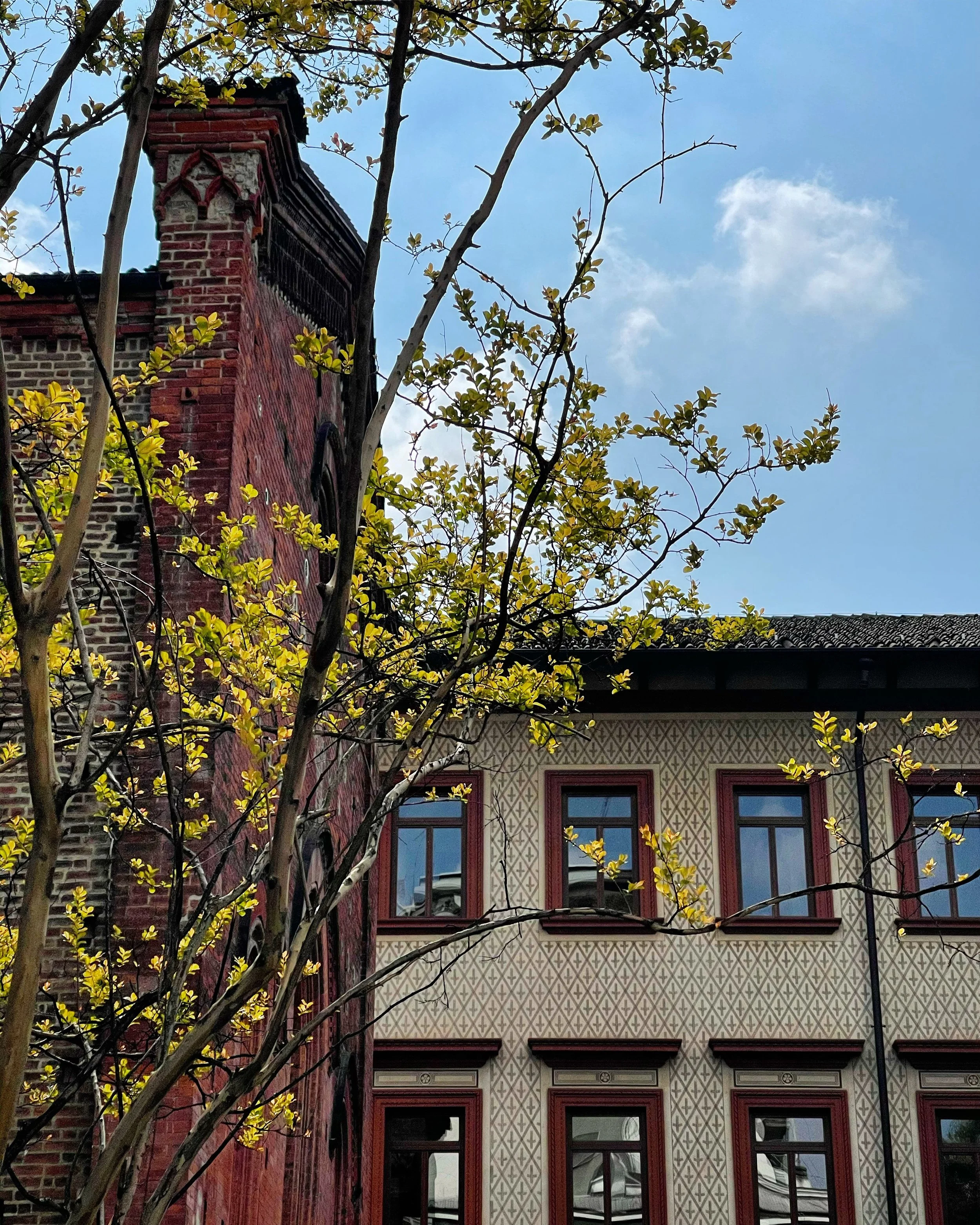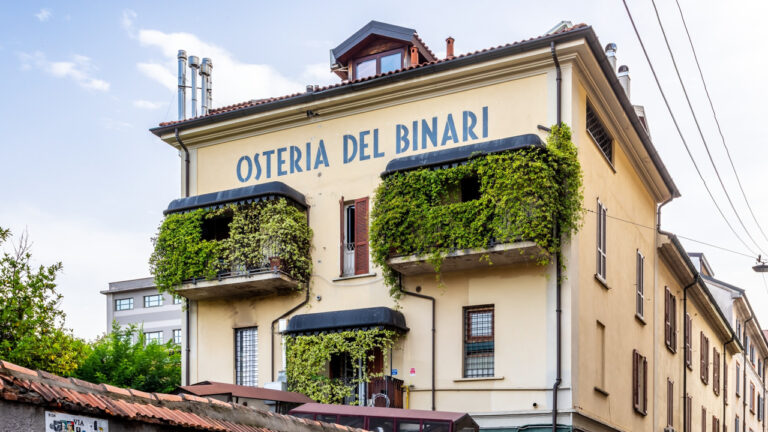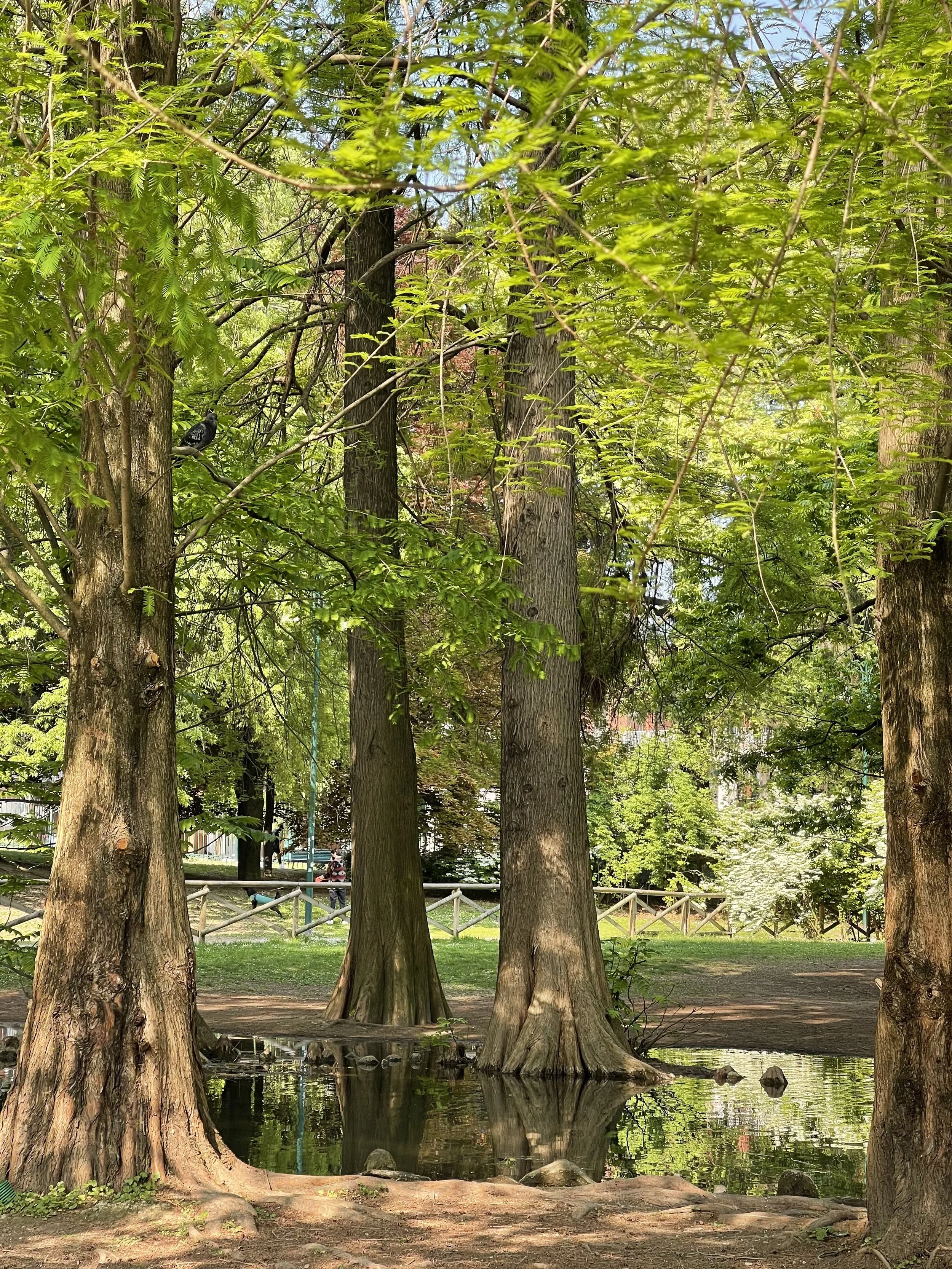
If you want to see Milan at its most elegant and most historic, this is where to go. The area around Corso Magenta and the Basilica di Sant’Ambrogio is one of the oldest and most refined parts of the city, home to Roman remains, early Christian churches, a world-famous Leonardo, and some of the calmest, grandest streets in Milan. It is quietly beautiful, and often overlooked by visitors rushing between the Duomo and the castle.
Area overview
Location: Central and west of the Duomo, between the Cattolica university and the Parco Sempione side of the city.
Main transport: M1 at Conciliazione, Cadorna and Cairoli, M2 at Cadorna and Sant’Ambrogio, plus trams.
Distance to Duomo: around 10 to 15 minutes on foot.
Atmosphere: elegant, historic, cultured and calm.
This has been an important part of Milan since Roman and medieval times, and it still carries that weight gracefully. It is also a university district, thanks to the nearby Università Cattolica, which adds a steady, studious energy to the grandeur.
What to see
The Basilica di Sant’Ambrogio is the heart of the area and one of the most important churches in Milan. Founded in the fourth century by Saint Ambrose, the city’s patron saint, it is a masterpiece of Romanesque architecture and a deeply atmospheric place to step into.
A short walk away stands Santa Maria delle Grazie, a UNESCO World Heritage site, whose adjoining refectory holds Leonardo da Vinci’s Last Supper. It is one of the most famous paintings in the world, and seeing it requires booking well in advance, often weeks ahead, so plan early if it is on your list.
The area is full of quieter treasures too. San Maurizio al Monastero Maggiore, sometimes called the Sistine Chapel of Milan, is covered wall to wall in sixteenth-century frescoes and is completely free to enter, with the Civic Archaeological Museum right beside it. And tucked behind a courtyard off Corso Magenta is one of the city’s loveliest secrets: the Casa degli Atellani and the restored vineyard that once belonged to Leonardo himself, a small, serene escape from the city.
Food, drink and daily life
This is an elegant, residential part of town, so the tone is refined rather than rowdy. Expect handsome historic cafes, quality restaurants and wine bars, and the gentle buzz of university life around the Cattolica. It is a lovely area for a calm coffee or a long lunch rather than a big night out, and all the better for it.
Shopping
Corso Magenta and its surrounds lean toward boutiques, antiques, bookshops and refined independent stores rather than high-street chains. It is a graceful area for browsing, in keeping with its elegant character.
Housing and cost of living
Magenta and Sant’Ambrogio are one of the most prestigious and sought-after residential areas in central Milan, and prices reflect that. It is an expensive part of the city, home to grand period apartments and quiet, leafy streets. As a rough guide, a room in a shared flat here tends to sit at the higher end, often somewhere around 900 to 1,200 euros a month depending on the building and the exact location, so treat that as a ballpark and always check whether bills are included. It suits people who prize elegance, history and calm, and who want to be genuinely central.
Transport and accessibility
The area is superbly connected, with three metro lines, several tram routes and an easy walk to the Duomo and the Castello. Cadorna station offers a direct connection to Malpensa Airport, while the M4 line at Sant’Ambrogio provides easy access to Linate Airport. With convenient connections to both airports, the area is flat, walkable and central in every sense.
Who this area is good for
People who love history, art and architecture, and who want a refined, peaceful base in the heart of the city. Students at the nearby Cattolica, academics, and anyone who prefers quiet elegance over nightlife. It is less suited to those on a tight budget or chasing a lively, buzzy scene, though the whole city is on your doorstep.
Key takeaway
Magenta and Sant’Ambrogio is Milan at its most dignified: ancient basilicas, a priceless Leonardo, hidden frescoes and a secret vineyard, all along some of the most beautiful streets in the city. It is a reminder that beneath Milan’s modern, fast-moving surface lies centuries of quiet grandeur, and it is one of the loveliest places in the city simply to wander.