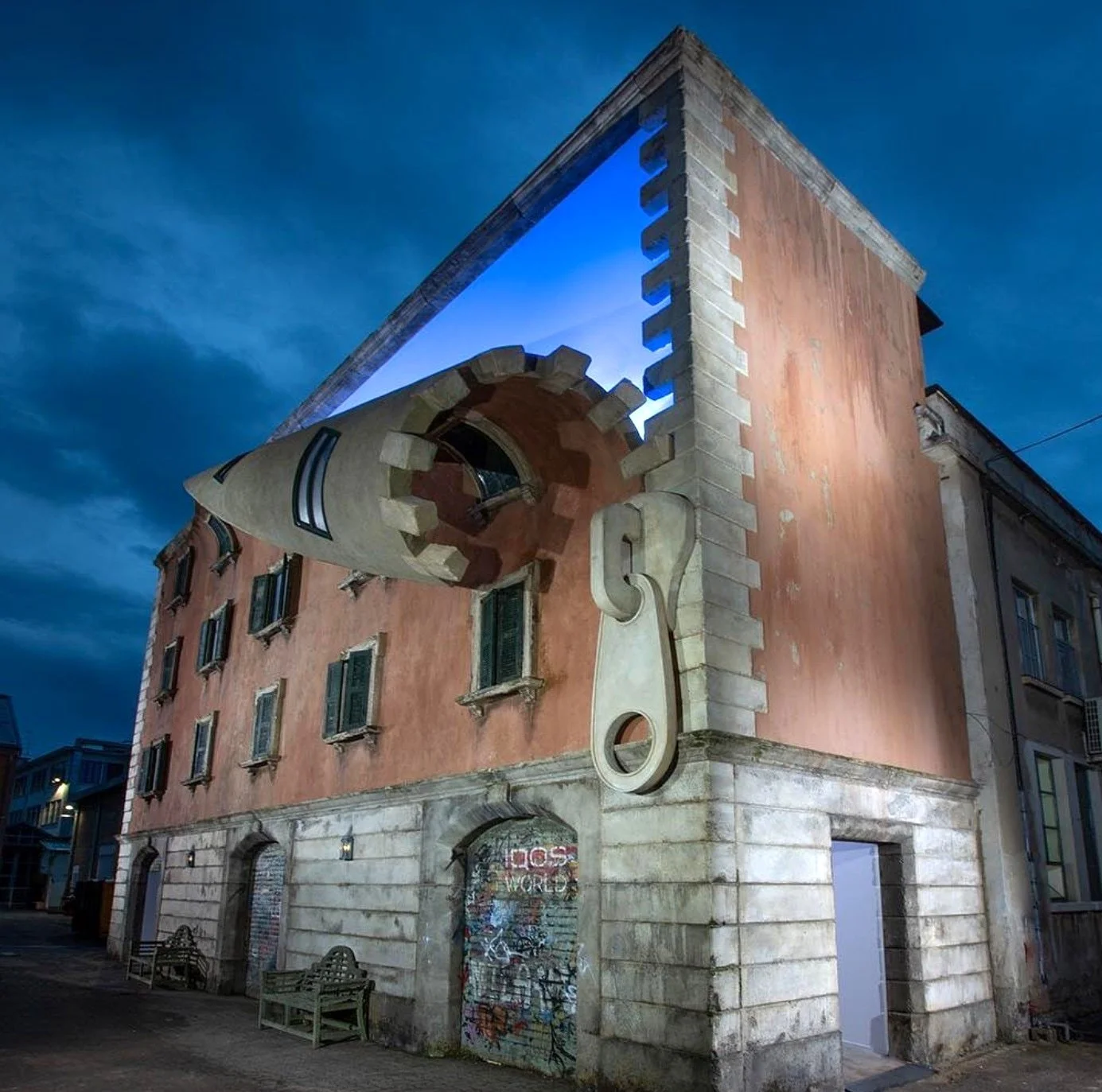
Some Milan neighbourhoods are defined by a monument. Porta Genova is defined by a threshold. This is the old industrial gateway on the southwest edge of the centre, where the city's creative energy on the Tortona side meets the canal life of the Navigli.
It is a district still quietly reinventing itself, and one of the more characterful pockets to spend an afternoon or an evening.
Area overview
Location: Southwest of the centre, on the edge of the Navigli, bordering the Tortona design district.
Main transport: Milano Porta Genova station, served by the M2 green line and regional trains, with trams filling in the rest.
Distance to Duomo: around 15 minutes by metro. Atmosphere: post-industrial, creative, and busiest in the evening.
Porta Genova grew up around its railway station and freight yard, and that industrial past still shapes it. As the trains and warehouses gave way, designers, studios and bars moved in, and the area became a bridge between two of Milan's best-known scenes.
What to see and do
The Porta Genova station itself is the anchor, a handsome nineteenth-century terminus, and the iron pedestrian bridge that crosses the tracks beside it is a small local landmark, connecting the station side to Via Tortona. Crossing it is the classic way into the design district.
On the Tortona side you are in creative Milan, a grid of former factories now home to studios, showrooms and design spaces, which erupts into life each April during Design Week. Head the other way and you drop down toward the Darsena and the start of the Navigli, where the canal-side bars take over in the evening. Porta Genova is the hinge between the two, which is exactly its appeal.
Food, drink and nightlife
This is a lively area after dark, thanks to its position between the design district and the canals. Expect a strong mix of bars, aperitivo spots and restaurants, with the buzz building toward the Navigli end. The Tortona side leans a little more design-crowd and contemporary, while the canal side is classic Milan nightlife. Between them, you are rarely short of somewhere to eat or drink.
Shopping
Design and independent fashion set the tone here, especially along the Tortona streets, with studios, concept spaces and boutiques rather than chains. It is a browsing neighbourhood, and one that rewards a slow wander, particularly if you have an eye for design.
Housing and cost of living
Porta Genova is central, well connected and fashionable, which keeps it in demand. It is not among the cheapest areas, but the wider district offers more range than the polished centre.
As a rough guide, a room in a shared flat tends to land somewhere around 700 to 1,000 euros a month, depending on the exact street and how close you are to the canals, so treat that as a ballpark and always check whether bills are included. One thing to weigh: the nightlife that makes the area fun also makes some streets noisy at the weekend.
Transport and accessibility
The Porta Genova station puts the M2 green line and regional trains on your doorstep, with trams and buses covering the rest and the whole area easily walkable. It is a genuinely convenient base, both for the centre and for heading out of the city.
Who this area is good for
People drawn to a creative, design-led atmosphere with lively evenings close at hand. Students and young professionals especially, and anyone who likes the idea of living between the design district and the canals. It is less suited to those after a quiet, residential feel or the very lowest rents.
Key takeaway
Porta Genova is best understood as a gateway, the point where industrial Milan became creative Milan, and where the design world meets the canals. It is a neighbourhood in transition, full of energy and character, and one of the most enjoyable parts of the city to explore on foot when the light starts to soften.