Where to Be in Milan: Porta Romana
Porta Romana sits in the south-east of Milan, three stops from the Duomo on the M3 yellow line. It is one of the most genuinely livable neighbourhoods in the city, popular with students, young professionals, and anyone who wants to be close to the centre without paying for the privilege.
The area takes its name from the ancient Roman gate that still stands at the top of Corso di Porta Romana, one of the oldest and most elegant streets in Milan. The neighbourhood has two distinct sides to it. The part closer to the centre, around Corso di Porta Romana and Piazza Medaglie d'Oro, is elegant and residential. The part closer to Lodi is more casual, younger, and more alive in the evenings.
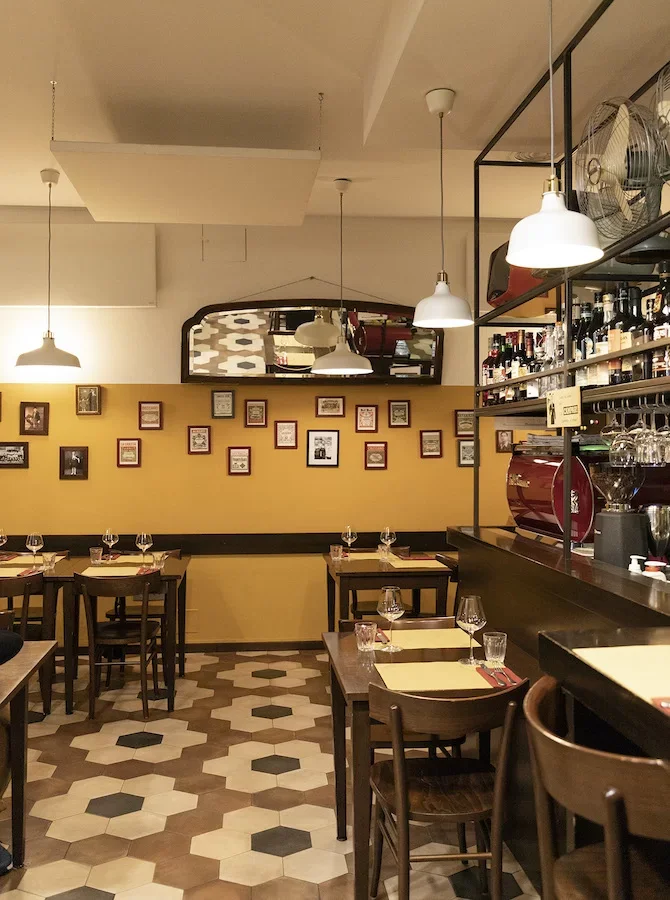
Area overview
Location: South-east Milan, between the historic centre and Lodi
Main metro: M3 Porta Romana
Distance to Duomo: three stops, around 10 minutes
Atmosphere: residential, young, good food, local feel
Coffee and breakfast
Milano Roastery
Porta Romana area One of the better specialty coffee spots in the neighbourhood. Post-industrial design, 100% Arabica and rotating single origin beans. Good for a slower morning.
Signor Lievito
One of the most talked-about bakeries in Milan right now. Coffee, pastries, and breads made with serious attention to ingredients. The space itself is worth seeing.
Cascina Cuccagna
A former rural estate restored into a cultural hub with a courtyard garden and a farm-to-table restaurant. More of a full morning or lunch destination than a quick coffee stop, but one of the most pleasant spaces in this part of the city.
Food and restaurants
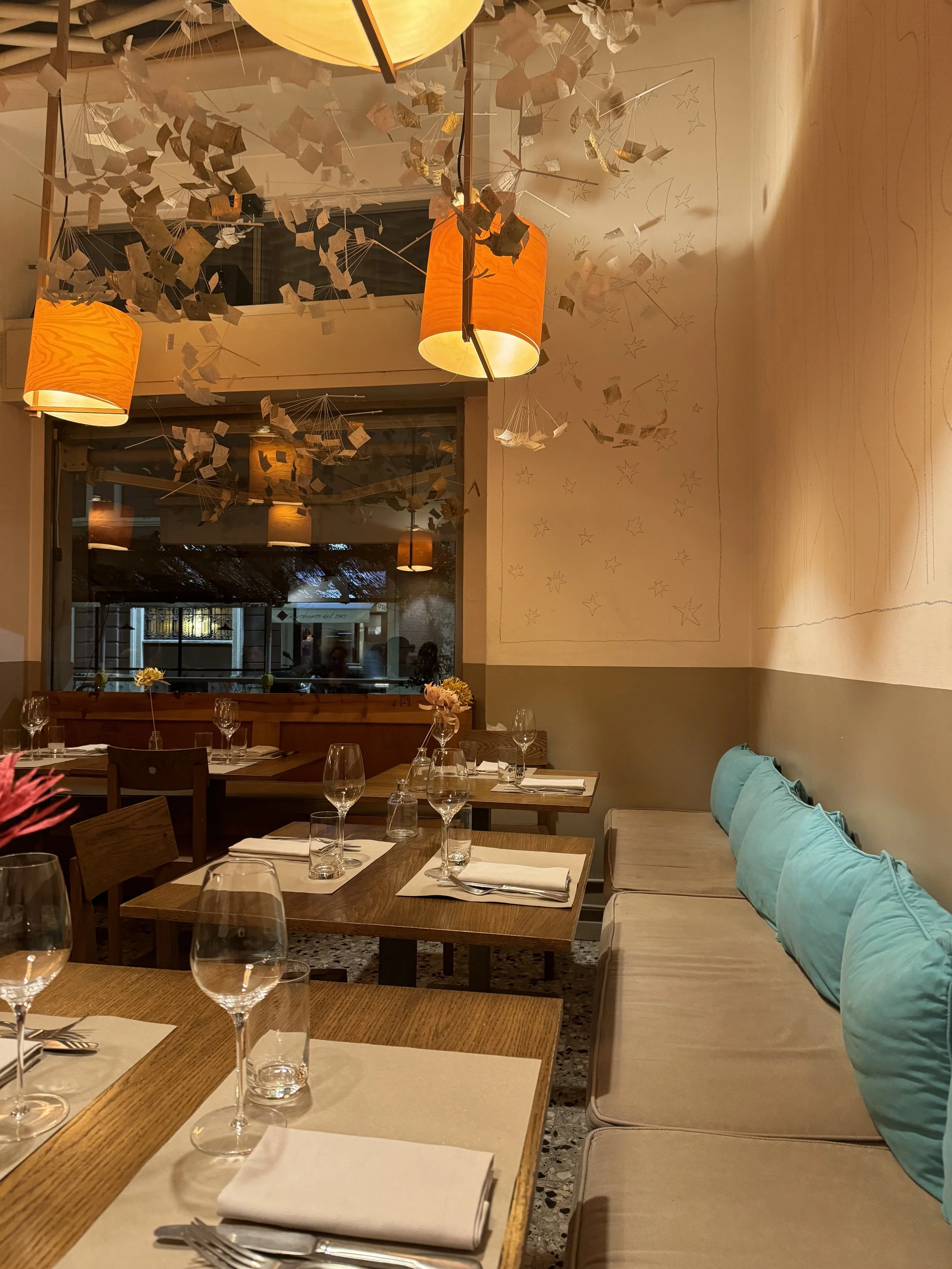
Porta Romana has arguably the best restaurant scene of any residential neighbourhood in Milan. The most talked-about table in the area, and possibly the whole city, is Trippa on Via Giorgio Vasari. It opened in 2017 and shifted the conversation around Milanese cuisine. Getting a reservation requires planning weeks in advance from noon when they open the booking window.
For something more casual, Pastamadre on Via Bernardino Corio is a small family-run restaurant making fresh pasta daily. Simple, unpretentious, and very good.
PotaFiori on Viale Umbria is a bistro inside a florist. The combination of food and flowers makes it one of the more unusual dining experiences in Milan.
Typical food prices:
Pizza: 8 to 14 euros
Pasta: 10 to 16 euros
Aperitivo: 10 to 15 euros
Lunch menu: 12 to 16 euros
Things worth knowing about
Fondazione Prada is just south of Porta Romana, around the Lodi area. It is one of the most important contemporary art institutions in Italy, housed in a complex designed by Rem Koolhaas. The Bar Luce inside was designed by Wes Anderson and is worth visiting on its own. Entry costs around 15 euros.
Bagni Misteriosi is a former public swimming pool converted into a cultural space. In summer the outdoor area reopens and it becomes one of the more unexpected places to spend an evening in the city.
There is also a weekly street market along Via Crema on Fridays, one of the better neighbourhood markets in Milan for food, clothes, and general browsing.
A neighbourhood in transition
Porta Romana is changing. The area around Scalo Romana, the old railway yard in the south of the neighbourhood, is one of the largest urban regeneration projects in Milan. The former Olympic Village built for Milano Cortina 2026 is located here and is being converted into student housing for the 2026-27 academic year. Prices are rising as a result, but the neighbourhood still offers better value than Brera, Navigli, or Isola.
Housing and cost of living
Porta Romana is considered mid to mid-high range for Milan, with prices increasing in recent years due to the regeneration projects nearby.
Average prices:
Room in shared apartment: 750 to 1,000 euros per month
Studio apartment: 1,100 to 1,600 euros per month
More affordable than the historic centre, comparable to Navigli, slightly more expensive than Città Studi.
Transport and accessibility
M3 Porta Romana connects directly to the Duomo in three stops and to Centrale in around 15 minutes. Several tram lines also pass through the neighbourhood. It is well connected without feeling like a transit hub.
Who this area is good for
Students and young professionals who want a genuine neighbourhood feel with good transport and an excellent restaurant scene. People who prefer residential calm during the day and social options in the evening. Those who want to be close to Bocconi or the design and fashion schools in the south of the city.
Less suitable for people who want nightlife comparable to Navigli, or the historic character of Brera.
takeawayS
Porta Romana is one of those neighbourhoods that rewards living in rather than visiting. The food scene alone makes it worth knowing, but what makes it genuinely special is the combination of residential calm, good connections, and a local energy that most central neighbourhoods in Milan have already lost.