Moving to Milan long term is often imagined as a clean transition: new city, new routine, new life.
In reality, it’s an emotional process that unfolds in stages, often quietly, and not always in the order you expect.
If you’ve recently moved to Milan to stay, or you’re planning to, recognising these phases can help you make sense of what you’re feeling and reassure you that nothing is “wrong” with your experience.
1. The Arrival High
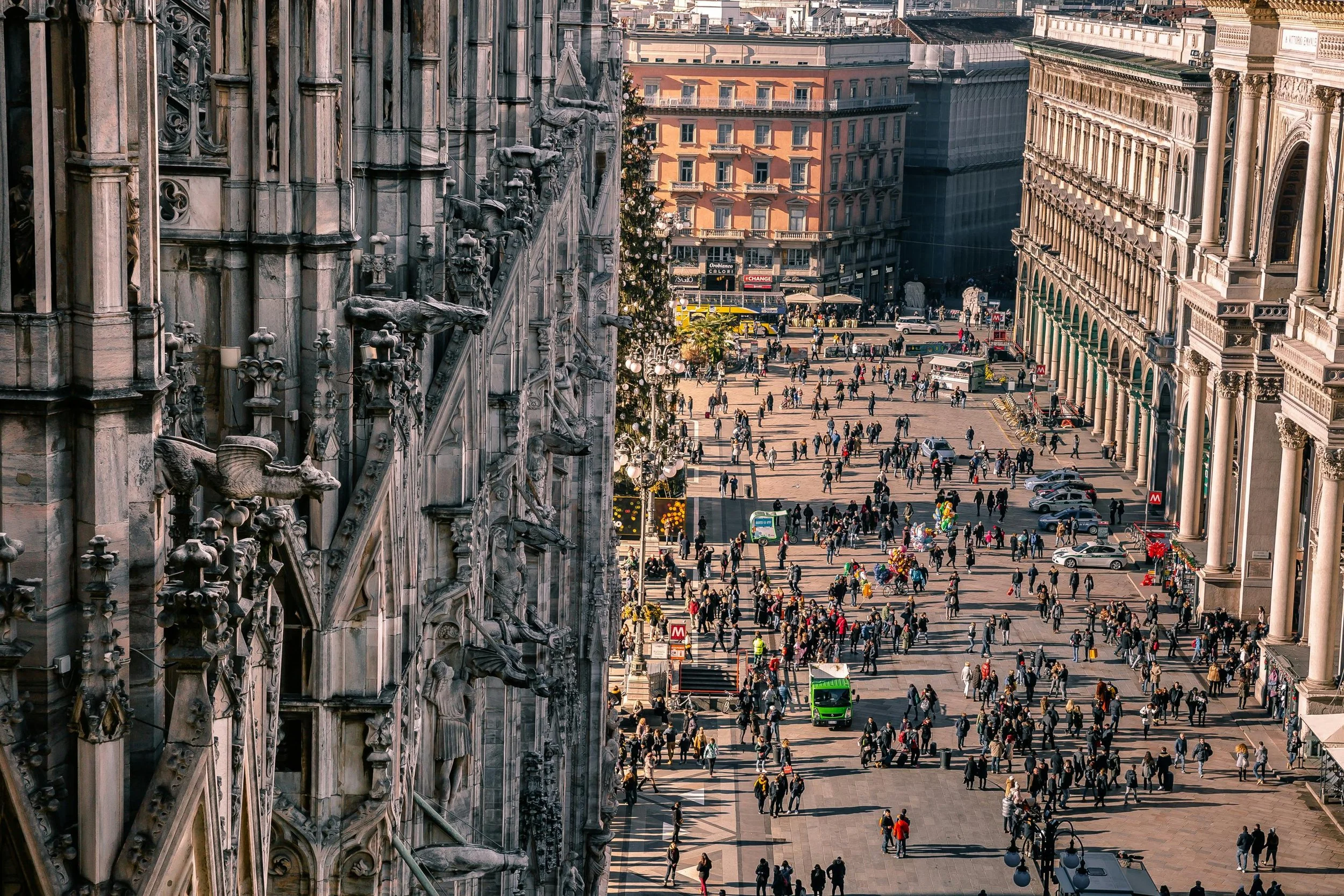
The first days usually come with a sense of excitement and momentum.
Everything feels new: the streets, the cafés, the language, the rhythm of the city. Even practical tasks feel meaningful, because they signal that something important has started. You’re busy, alert, and often running on adrenaline.
This phase can feel energising, but it’s also fragile. It’s sustained by novelty, and novelty fades quickly.
2. The Administrative Reality Check
Very soon, the emotional tone shifts.
Paperwork, appointments, unclear instructions, and waiting periods start to dominate your days. Progress feels slow, and tasks that seemed simple suddenly require multiple steps.
This stage can be frustrating, especially if you’re used to efficiency or clear systems. It’s common to question whether you’re doing things “right,” or to feel behind even when you’re not.
This is not failure, it’s part of adapting to how things work here.
3. The Quiet Loneliness Phase
Once the urgency of arrival passes, silence can set in.
You might have people around you, yet still feel disconnected. Conversations require more effort. Small interactions don’t flow naturally yet. The city feels busy, but not necessarily welcoming.
This phase often surprises people the most, because it doesn’t come with obvious reasons. It’s simply the absence of familiarity, and it takes time to rebuild that.
4. The Comparison Trap
At this point, it’s common to start comparing.
You compare Milan to your home country.
You compare yourself to other internationals who seem more settled.
You compare your expectations to your reality.
This stage can bring self-doubt and impatience. You may wonder if you made the right decision, or why things feel harder than you imagined.
These thoughts don’t mean Milan isn’t for you. They mean you’re adjusting your internal expectations to match real life.
5. Small Anchors Begin to Form
Slowly, without a clear turning point, things start to stabilise.
You learn your routes. You recognise faces. You stop translating everything in your head. Certain places begin to feel familiar: a café, a street, a weekly habit.
This phase isn’t dramatic, but it’s important. It’s when the city stops feeling like a temporary project and starts feeling lived-in.
6. Emotional Balance (Not Perfection)
Eventually, Milan becomes neither idealised nor overwhelming.
You know what you like and what you don’t. You understand the systems better. You still have difficult days, but they’re contextual, not existential.
This is not the end of the process, but it’s where many people find a sense of emotional balance. The city becomes part of your life, rather than something you’re constantly negotiating with.
Moving to Milan is not just a logistical transition. It’s an emotional one, layered and non-linear.
If you recognise yourself in any of these stages, know that they’re not signs of weakness or poor adaptation. They’re part of building a life in a new place, especially one as complex and nuanced as Milan.
At The Nest Milan, we believe that understanding the emotional side of relocation is just as important as understanding the practical one.