Solari is one of those Milan neighbourhoods that has quietly reinvented itself.
For most of the last century this was a working industrial district, all factories, warehouses and railway sidings behind Porta Genova. When the industry left, artists, photographers and designers moved into the empty spaces, and the area slowly became the creative heart of the city.
Today you will often hear it called Tortona, after its most famous street, but the older name Solari still belongs to the calmer, more residential side of the same area.
Area overview
Location: Southwest of the centre, just behind Porta Genova and northwest of the Navigli
Main metro: M2 Porta Genova, plus the newer M4 line with a stop right at Parco Solari
Distance to Duomo: around 20 minutes by public transport.
Atmosphere: creative, design-led, and more relaxed than its trendy reputation suggests.
For years the one real downside of this area was patchy public transport. The M4 blue line has changed that, with stops at Parco Solari, Foppa and Washington that finally connect it properly to the rest of the city. It is worth knowing this if you read older guides that tell you a car is essential here. That is no longer true.
What to see
Parco Solari is the green centre of the neighbourhood and the reason it comes alive in summer. It has an open lawn, shaded paths, and a historic public swimming pool that has been a local fixture since the sixties. On a hot July afternoon, this is where the neighbourhood actually spends its time.
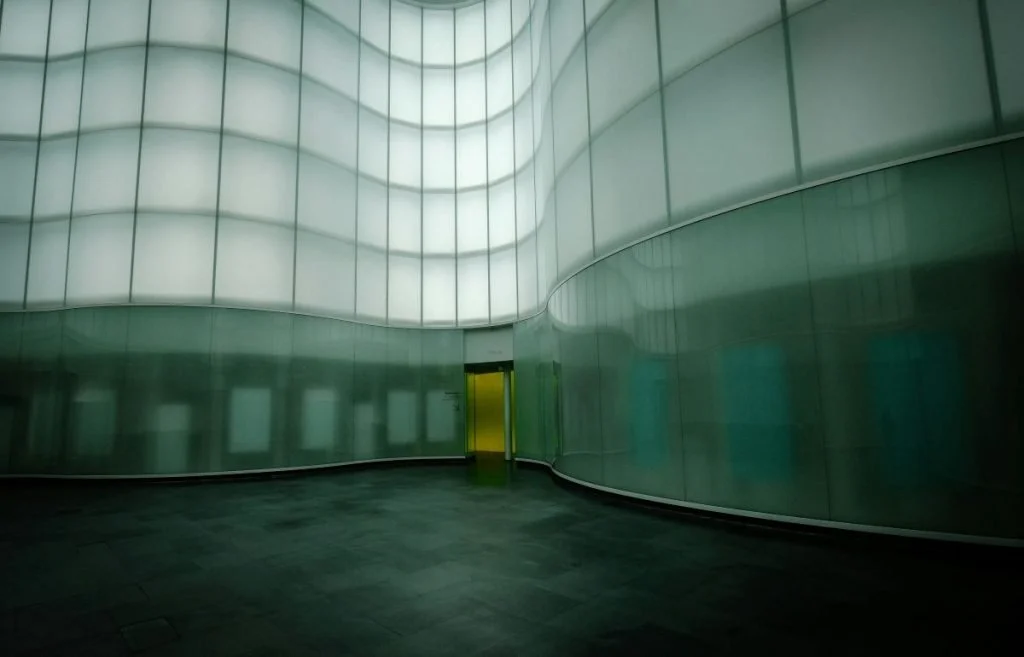
The area is also one of Milan's real cultural pockets. MUDEC, the Museum of Cultures, sits in a striking building designed by David Chipperfield and runs some of the most popular exhibitions in the city. A short walk away, Armani Silos holds decades of Giorgio Armani's work across several floors, and BASE Milano, in a former factory, mixes coworking, exhibitions and events in one creative space.
For newcomers, one spot is worth singling out. Cinema Mexico on Via Savona regularly screens films in their original language, which makes it a small lifeline when you want a night out that does not require perfect Italian.
If you happen to be in Milan in April, this is the beating heart of Design Week, when the whole district fills with installations, showrooms and events. It is chaotic and wonderful, though worth knowing about in advance if you live here.
Coffee, food and drinks
The eating and drinking scene leans creative and contemporary, matching the neighbourhood.
Pescaria, on Via Andrea Solari, is a well-loved spot for seafood panini and plates, casual and consistently good.
The Botanical Club, on Via Tortona, is known for its cocktails and gin, and works equally well for brunch or an evening drink.
Carico, on Via Savona, is one of the more talked-about bars in the area, with a hidden back room built around martinis.
Green Fingers Market, on Via Savona, is more experience than shop, a Japanese-run plant and vintage boutique that captures the creative spirit of the whole district in one window.
Shopping
This is design and fashion territory, so expect showrooms, concept stores and independent boutiques rather than high-street chains. The streets around Via Tortona and Via Savona are dotted with studios and brand spaces, some open to the public year-round and many more during Design Week. It is a good area for browsing and for discovering smaller Italian labels.
Housing and cost of living
Solari sits somewhere in the middle of Milan's price map. It is not cheap, and the design-district reputation has pushed rents up over the years, but it remains more attainable than Brera or the historic centre. As a rough guide, a room in a shared flat tends to land somewhere around 750 to 950 euros a month, climbing the closer you get to the trendy Tortona core and easing off toward the quieter, more residential Solari and Washington streets. Treat these as ballpark figures rather than fixed prices, since a lot depends on the exact street and the state of the flat.
The residential side of the neighbourhood is genuinely pleasant, with a mix of early twentieth-century buildings and calmer streets that feel a world away from the fashion-week crowds.
Transport and accessibility
With the M2 green line at Porta Genova and the M4 blue line running through the area, Solari is now well connected to the centre and to Linate airport. Trams and buses fill in the gaps, and the whole district is flat and very walkable.
Who this area is good for
People who want a creative, design-led atmosphere without living in a tourist zone. Students and young professionals who value good transport, green space and a real neighbourhood feel. Anyone who likes the idea of living somewhere with galleries, independent cinema and a summer pool all within walking distance.
It is less suited to people looking for the cheapest possible rent, or those who want a classic postcard-Milan setting of cobblestones and cathedrals.
Key takeaway
Solari is proof that some of the best parts of Milan are the ones that reinvented themselves. Creative but liveable, well connected but still calm, and genuinely one of the nicest places to be in the city once the weather turns warm and Parco Solari opens up for the summer.