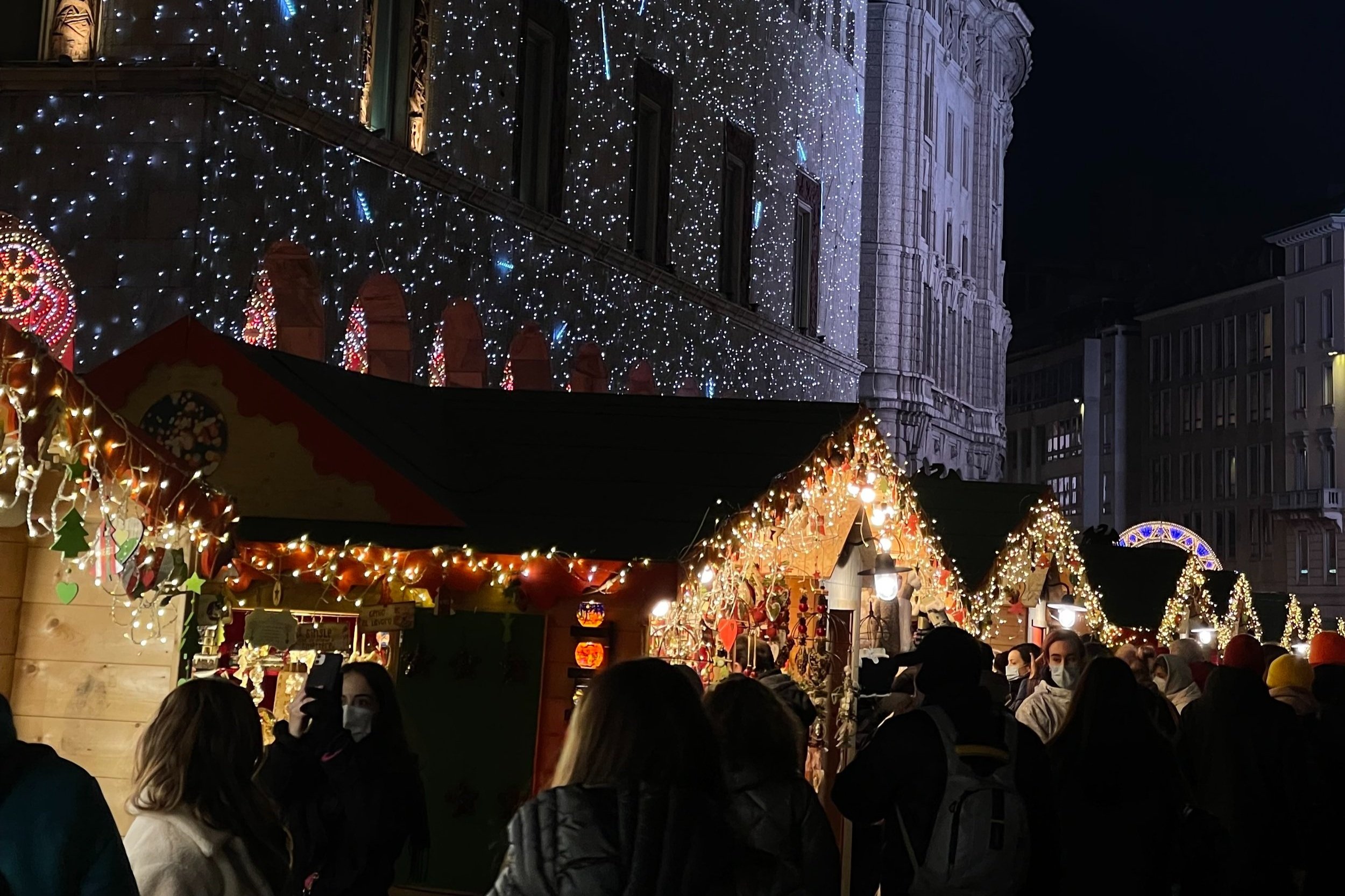
If you want to feel Milan at its most alive, Porta Venezia is where to go. Just northeast of the historic centre, it packs an improbable amount into a few blocks: some of the city's most beautiful Art Nouveau architecture, one of Europe's longest shopping streets, hidden gardens with actual flamingos, and food from just about every corner of the world.
In 2020 it was the only Italian neighbourhood to make Time Out's list of the coolest neighbourhoods on the planet, and it is easy to see why.
Area overview
Location: Northeast of the centre, around a 20 to 25 minute walk from the Duomo.
Main metro: M1, the red line, with three handy stops (Palestro, Porta Venezia and Lima).
Atmosphere: elegant, diverse, cosmopolitan and genuinely welcoming.
Best known for: Liberty architecture, its LGBTQ+ community, East African food, and Corso Buenos Aires.
The neighbourhood takes its name from one of the old city gates, and it has kept a certain grand, bourgeois elegance while becoming one of the most open and international parts of the city. Its metro station is painted in permanent rainbow colours, a fitting welcome to what is widely considered Milan's most inclusive district and the home of Italy's biggest Pride.
What to see
Porta Venezia holds the highest concentration of Liberty, or Italian Art Nouveau, architecture in Milan. Start around Via Malpighi to find Casa Galimberti, its facade covered in colourful ceramic figures, then look out for Palazzo Castiglioni and the wonderfully eccentric Palazzo Berri-Meregalli nearby.
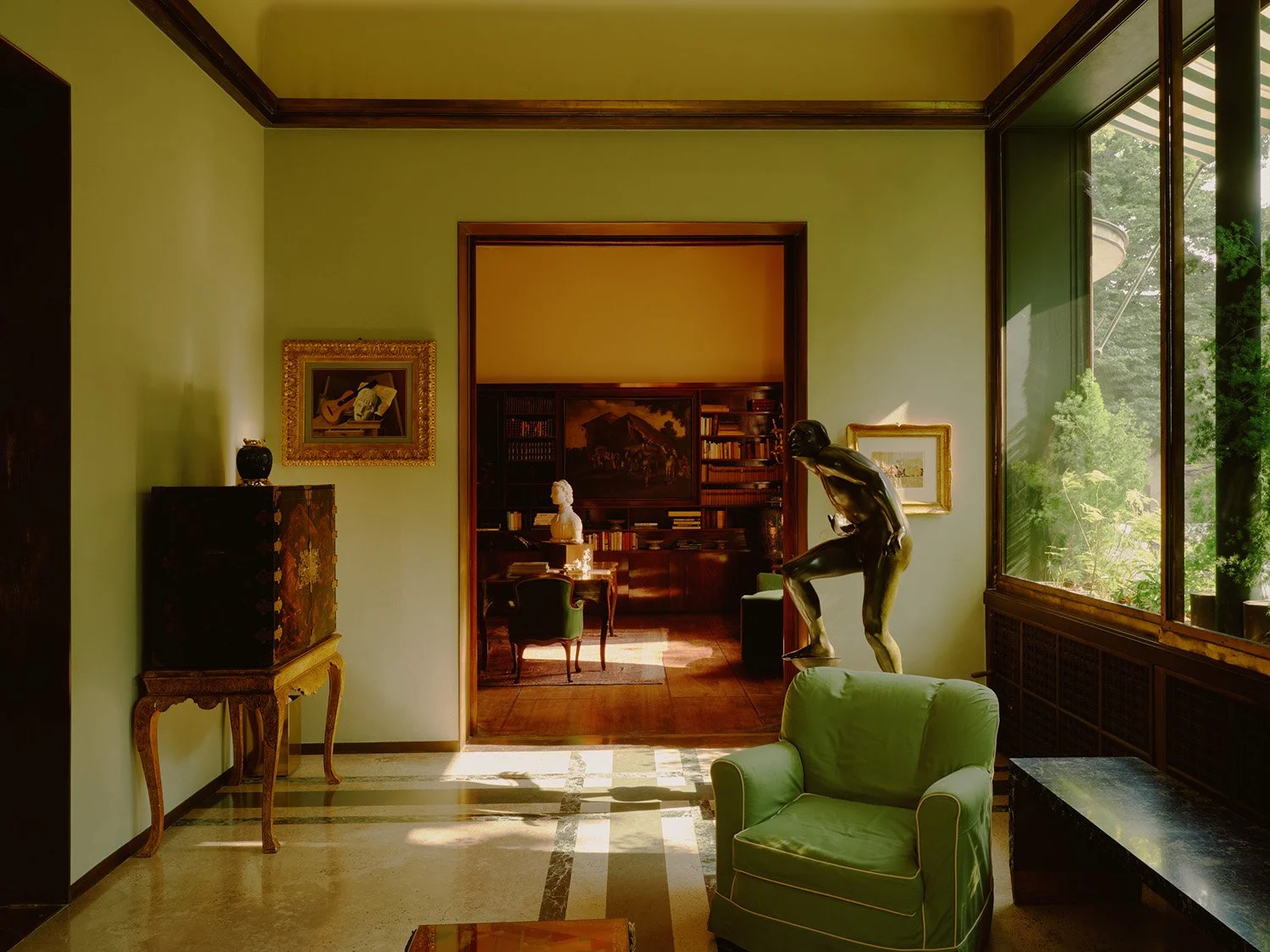
Tucked between Corso Venezia and Via Mozart is the Quadrilatero del Silenzio, the Quadrangle of Silence. The name is not a metaphor. These are genuinely hushed, elegant streets of 1920s and 30s villas and hidden gardens. Here you will find Villa Necchi Campiglio, a 1930s Rationalist masterpiece with a garden, a pool and a lovely bistro, now looked after by the FAI. A few minutes away, peek through the railings of Villa Invernizzi to spot its resident colony of pink flamingos, one of the strangest and most delightful sights in the city.
The green heart of the neighbourhood is the Giardini Indro Montanelli, Milan's very first public park, opened in 1784 and free to enter. It is a favourite spot for a jog, a read or a shady summer stroll, and it holds the Natural History Museum and the Planetarium. Just outside sit GAM, the modern art gallery, and PAC, its contemporary art pavilion.
Food and drink
This is one of the best eating neighbourhoods in Milan, precisely because it is so international. Thanks to a long-established East African community, Porta Venezia is the place to try Eritrean and Ethiopian food, including dishes like zighinì, but you will find almost every cuisine here, from Korean to Vietnamese to Japanese. The pizza scene is excellent too, with well-loved spots like Giolina and Marghe.
For a drink, the neighbourhood is spoilt. Bar Basso, an institution, is where the Negroni Sbagliato was invented, and the area is full of characterful cocktail bars like Nottingham Forest. Via Lecco is the heart of the nightlife, especially at weekends.
Shopping
Corso Buenos Aires runs along the northern edge of the district and is one of the longest shopping streets in Europe, lined end to end with high-street brands, from Zara and H&M to sportswear, shoes and electronics. It is practical rather than glamorous, and exactly where you will end up when you need to kit out a new flat. Duck into the side streets and you will find smaller, more unusual boutiques.
Housing and cost of living
Porta Venezia is central and desirable, but it tends to be a little more affordable than the streets right around the Duomo, which makes it popular with young professionals and internationals who want to be in the thick of things.
The quieter, more residential feel is on the western side toward Corso Venezia and the Silent Quarter, while life is louder and busier closer to Corso Buenos Aires and Via Lecco.
As a rough guide, a room in a shared flat here often lands somewhere around 800 to 1,000 euros a month, though a lot depends on the exact street and the state of the building, so treat that as a ballpark.
One tip when flat hunting anywhere in Milan: always check whether the rent is inclusive of bills or not, since utilities can add a meaningful amount on top.
Transport and accessibility
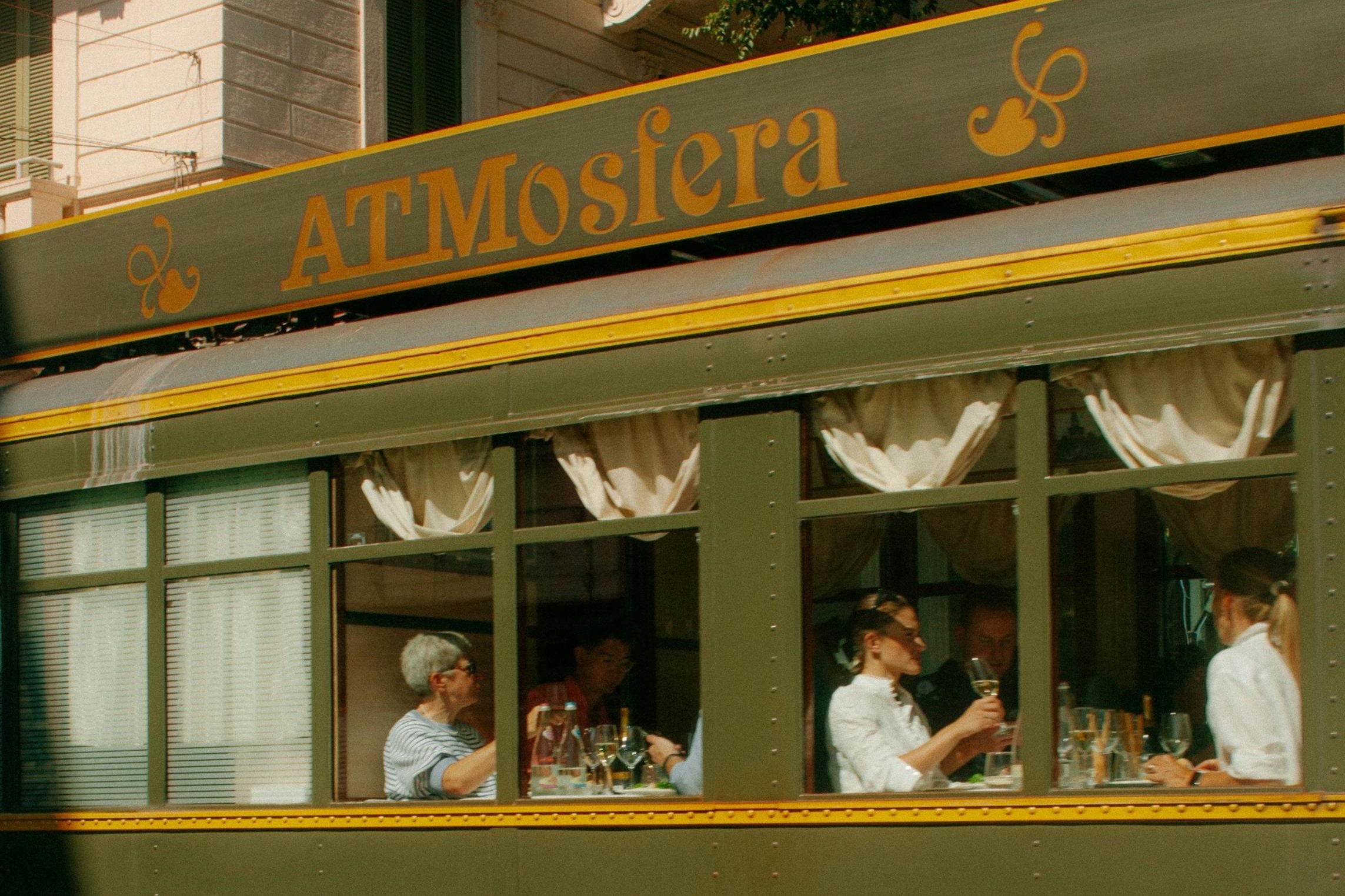
Transport is one of the neighbourhood's real strengths. The M1 red line, the most useful line in the city, runs right through it with three stops, and there are suburban rail links plus frequent trams and buses. If you are lucky you might even catch one of the vintage 1920s trams that still run on some routes. The whole area is flat and very walkable, and honestly walking is the best way to enjoy it.
Who this area is good for
People who want to be where the city actually lives, surrounded by great food, culture and green space. Anyone who values diversity and an open, welcoming atmosphere. Architecture and art lovers, keen walkers, and internationals who want somewhere central and well connected without living in a purely touristy zone.
It is less suited to those looking for the cheapest possible rent or for a quiet, sleepy corner, though the Silent Quarter proves that pockets of calm exist even here.
Key takeaway
Porta Venezia is Milan with the volume turned up in the best way: beautiful, diverse, delicious and endlessly walkable. It is the kind of neighbourhood where you can admire Art Nouveau palaces, find flamingos, eat Eritrean food and shop for everything you need, all in one afternoon. For anyone moving to the city, it is one of the easiest places to fall for.