What to Do in Milan During the Milano-Cortina 2026 Olympics
The Winter Olympics in Milan and Cortina d’Ampezzo (February 6–22, 2026) are more than just sports events. Milan becomes a living Olympic hub with city-wide activities, cultural programming, public installations, and special experiences that enrich your stay whether or not you hold competition tickets.
Here’s your complete Milan-focused guide to what’s happening beyond watching ice hockey or figure skating.
1. Olympic Opening Ceremony & Flame Experiences
Official Opening Ceremony
The Games begin on February 6, 2026, with the Opening Ceremony at San Siro Stadium in Milan - a central Olympic moment.
This event features artistic performances, athlete parades, and the dual lighting of two Olympic cauldrons inspired by Leonardo da Vinci’s design: one in Milan (Arco della Pace) and one in Cortina.
Olympic Flame at Arco della Pace
Throughout the Games, the official Olympic cauldron at Arco della Pace (Parco Sempione) remains a public focal point.
Evenings often include a special flame show a few minutes long, hourly, a visual highlight you can enjoy without an event ticket.
Pro tip: The Arco della Pace / Parco Sempione area becomes an informal gathering spot where the Olympic mood is strongest, especially at sunset and after dinner.
2. Official Fan Zones - Watch Parties Without Tickets
Milan will host official Olympic fan zones and off-venue experiences where fans can:
Watch competitions live on big screens
Hear commentary and music
Mingle with other spectators in a communal setting
These are free and open to everyone.
Key expected locations:
Piazza Duomo
Piazza Castello
Darsena / Navigli area
CityLife Park
Each of these urban spaces often becomes a social hub during big events, and the Games will magnify that.
3. Daily City Events & Cultural Programming
Milan will host additional Olympic-themed events and installations in public spaces throughout the period:
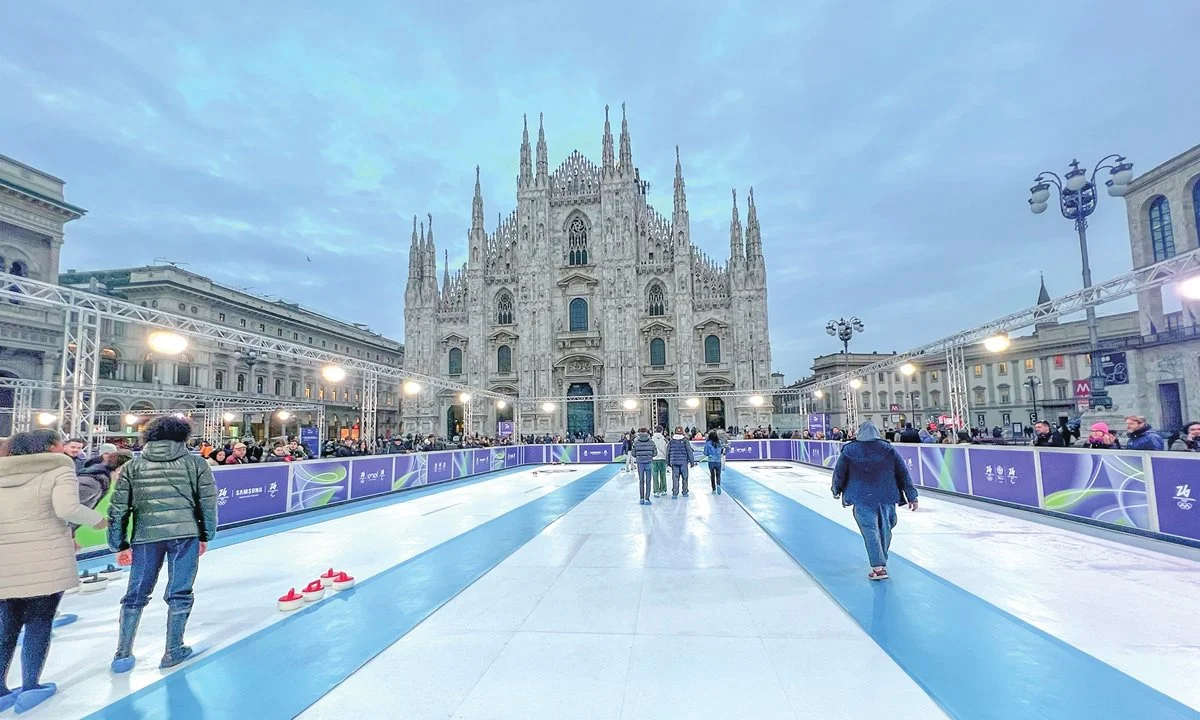
Ice Rink & Performances
In Piazza Città di Lombardia, there’s a seasonal covered ice rink, a classic winter activity that ties into the Olympic spirit and stays open during February.
Public Shows & Exhibitions
Expect programming that includes:
Live performances
Pop-up exhibits
Interactive installations related to winter sports and Olympic values
Milan’s main squares and parks transform into festival areas, especially around Duomo, Castello Sforzesco, and Parco Sempione.
Family-Friendly Winter Village
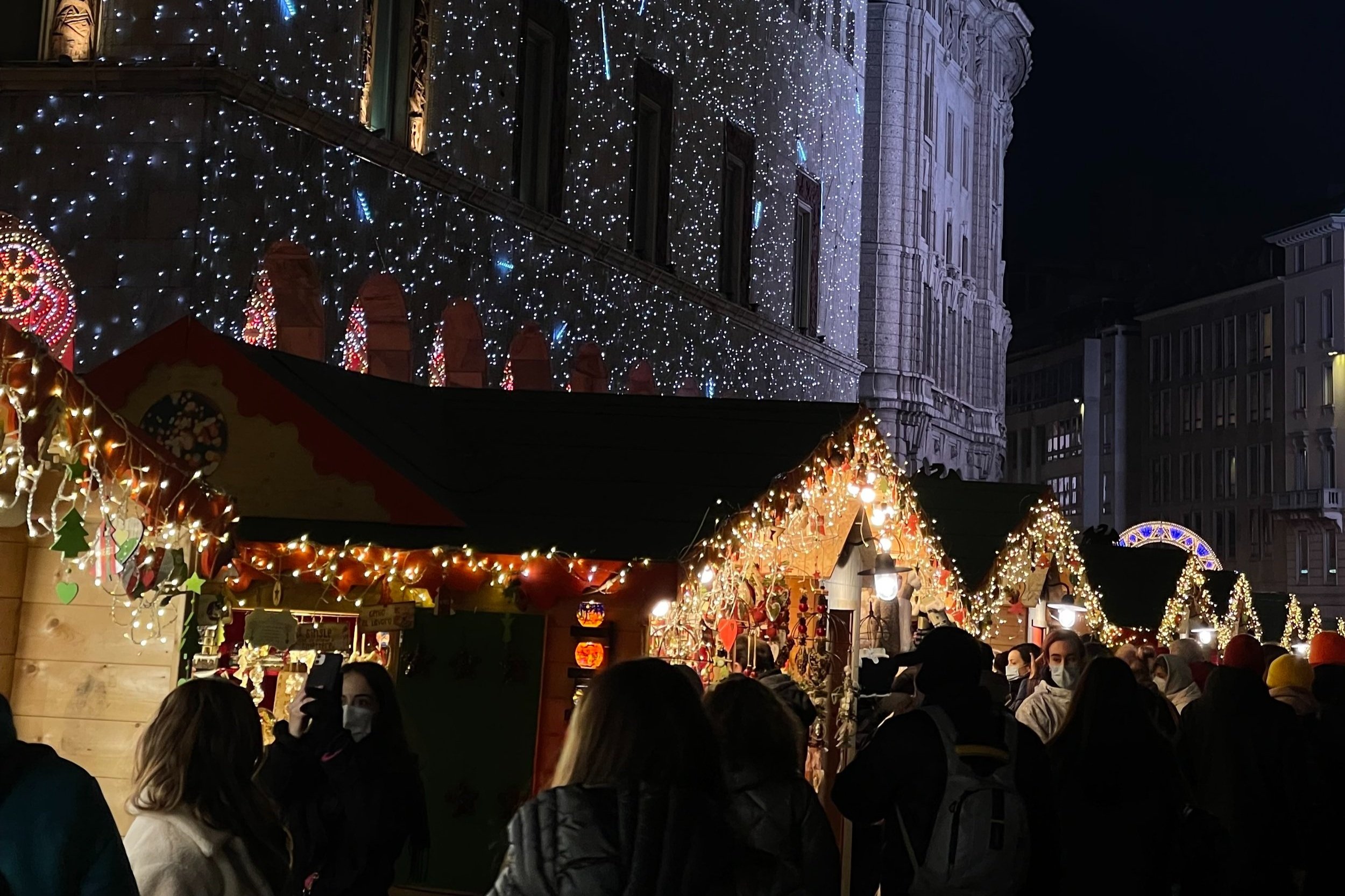
In the greater metropolitan area (e.g., Arese’s Winter Village), you can enjoy winter atmospheres, chalets, workshops, and family activities through mid-March, even beyond the official Games window.
4. Art, Culture & Museums During Olympic Time
Milan’s cultural life does not pause for the Olympics, it amplifies.
Exhibitions & Special Shows
Expect museums and cultural venues to run Olympics-linked exhibitions, including sport-themed collections, historical retrospectives, and even Olympic memorabilia shows (historic Olympic art or artifacts). Cities like Milan often schedule shows that coincide with major global events.
Fashion & Olympic Style
Given Milan’s position in fashion, several brand pop-ups and collaborations appear around the Games, bringing sportswear, designer collections, and limited-edition Olympic gear into city shopping districts.
5. Food & Social Life Around the Games
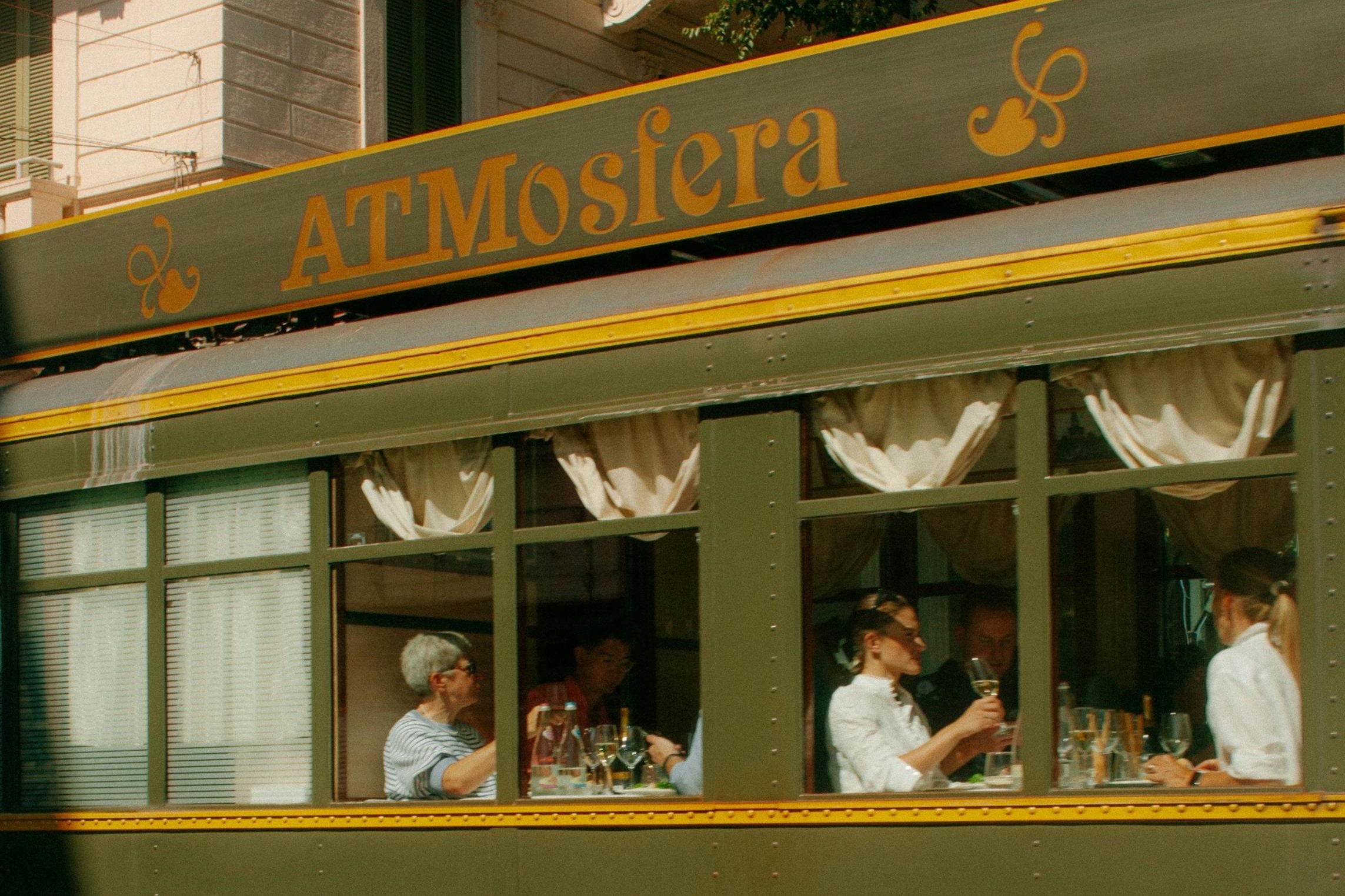
The Olympic atmosphere permeates restaurants, bars, and cafés:
Themed menus in bars near fan zones
Sports bars with screening nights around big competitions
Group dinners before medal events
Even if you don’t have tickets, being out in Milan during aperitivo and dinner hours will feel Olympics-shaped.
6. Pro Tip: Schedule Your Days Around City Programming
Because events spread across Milan’s public spaces, a good strategy is:
Check schedules for fan zones and exhibits in Duomo, Castello, and Navigli.
Plan visits to the Olympic flame at Arco della Pace around sunset.
Use outdoor rinks or Winter Villages as social anchor points.
Scout non-competition cultural programming early in the day — these often have shorter lines.
Because Milan’s official Olympic calendar (including fan zones and cultural events) is published alongside the competition schedule, planning enhances your experience significantly.
What This Means Practically
Milan during the Olympics is not just “a host city with a few venues.”
It becomes a festival-like urban experience where:
official public spaces become Olympic screens
major monuments host installations
culture and sport blend in ways that make being in the city a central part of the Games
Bottom Line
Whether you hold competition tickets or not, Milan in February 2026 is worth experiencing. The city’s public programming, fan zones, Olympic flame installations, cultural events, and social life all contribute to making the Olympics part of everyday life — not just elite sporting moments.