Neighbourhoods In Milan
Milan is relatively compact, but the atmosphere can change significantly from one neighbourhood to another. For someone new to the city, understanding these differences helps when choosing where to live, work, or spend time.
Below is a simplified overview of some of the main areas internationals encounter most often.
Brera
City Centre:
Brera is one of the most historic and elegant parts of Milan. Narrow streets, art galleries, and small cafés define the area, and the Accademia di Belle Arti and Pinacoteca di Brera contribute to its cultural atmosphere.
Because of its central location and aesthetic appeal, Brera is also one of the most expensive residential areas in the city.
Good for: people who want to live in the historic centre and walk everywhere
Known for: art, design shops, restaurants, elegant streets
Transport: walking distance to most central areas, nearby metro lines M2 and M3
Navigli
South-West Milan:
Navigli is built around Milan’s historic canals and is known for its strong social and nightlife scene. The area becomes particularly active in the evening, especially around Naviglio Grande and Naviglio Pavese.
During the day it feels calmer, with vintage shops, small galleries, and cafés along the canals.
Good for: students, young professionals, people who enjoy nightlife
Known for: aperitivo culture, canals, bars and restaurants
Transport: M2 Porta Genova + tram connections
Porta Venezia
East of the centre:
Porta Venezia is one of Milan’s most diverse and international neighbourhoods. It combines historic architecture with a large variety of restaurants, independent shops, and cultural venues.
The area is also next to Giardini Indro Montanelli, one of the most popular green spaces in the city.
Good for: internationals, people who enjoy lively neighbourhoods
Known for: restaurants, LGBTQ+ community, proximity to parks
Transport: M1 Porta Venezia + several tram lines
Isola
North of Porta Nuova:
Originally a working-class district, Isola has become one of the city’s most creative neighbourhoods. It sits right next to the modern Porta Nuova skyline, but still keeps a local, independent character.
You’ll find design stores, specialty cafés, and small restaurants alongside traditional Milanese businesses.
Good for: creatives, young professionals, startup community
Known for: independent shops, modern architecture nearby
Transport: M5 Isola + Garibaldi station nearby
Porta Romana
South-East Milan:
Porta Romana has a more residential and relaxed atmosphere compared to the historic centre. The area has many cafés, bakeries, and restaurants, making it popular with students and young professionals.
It is also close to Bocconi University, which contributes to its younger demographic.
Good for: people looking for a balance between central and residential
Known for: restaurants, cafés, neighbourhood feel
Transport: M3 Porta Romana + tram lines
Porta Nuova
North of the historic centre:
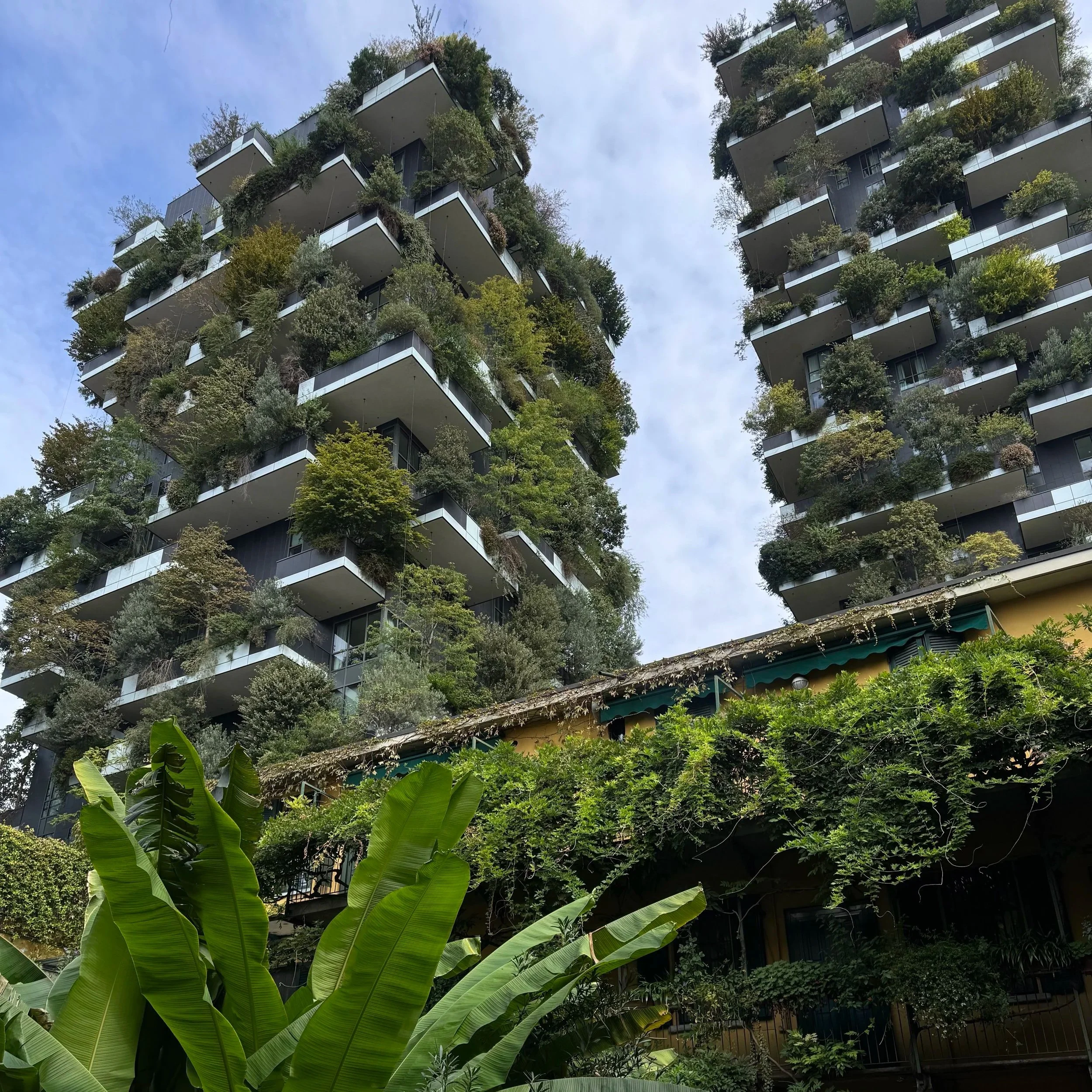
Porta Nuova represents Milan’s modern side. Skyscrapers, contemporary architecture, and business offices define the area, including landmarks like Bosco Verticale and Piazza Gae Aulenti.
It is one of the city’s main business districts and attracts professionals working in finance, consulting, and tech.
Good for: professionals working in central business areas
Known for: modern skyline, offices, luxury residential buildings
Transport: Garibaldi hub (M2, M5, trains)
A Practical Note
When choosing where to live in Milan, neighbourhood atmosphere matters as much as distance.
Some areas are:
quieter and residential
more social and nightlife-oriented
more business-focused
more creative and independent
Spending time in different neighbourhoods before deciding where to settle can make a big difference in everyday life.