Where to Be in Milan: Isola
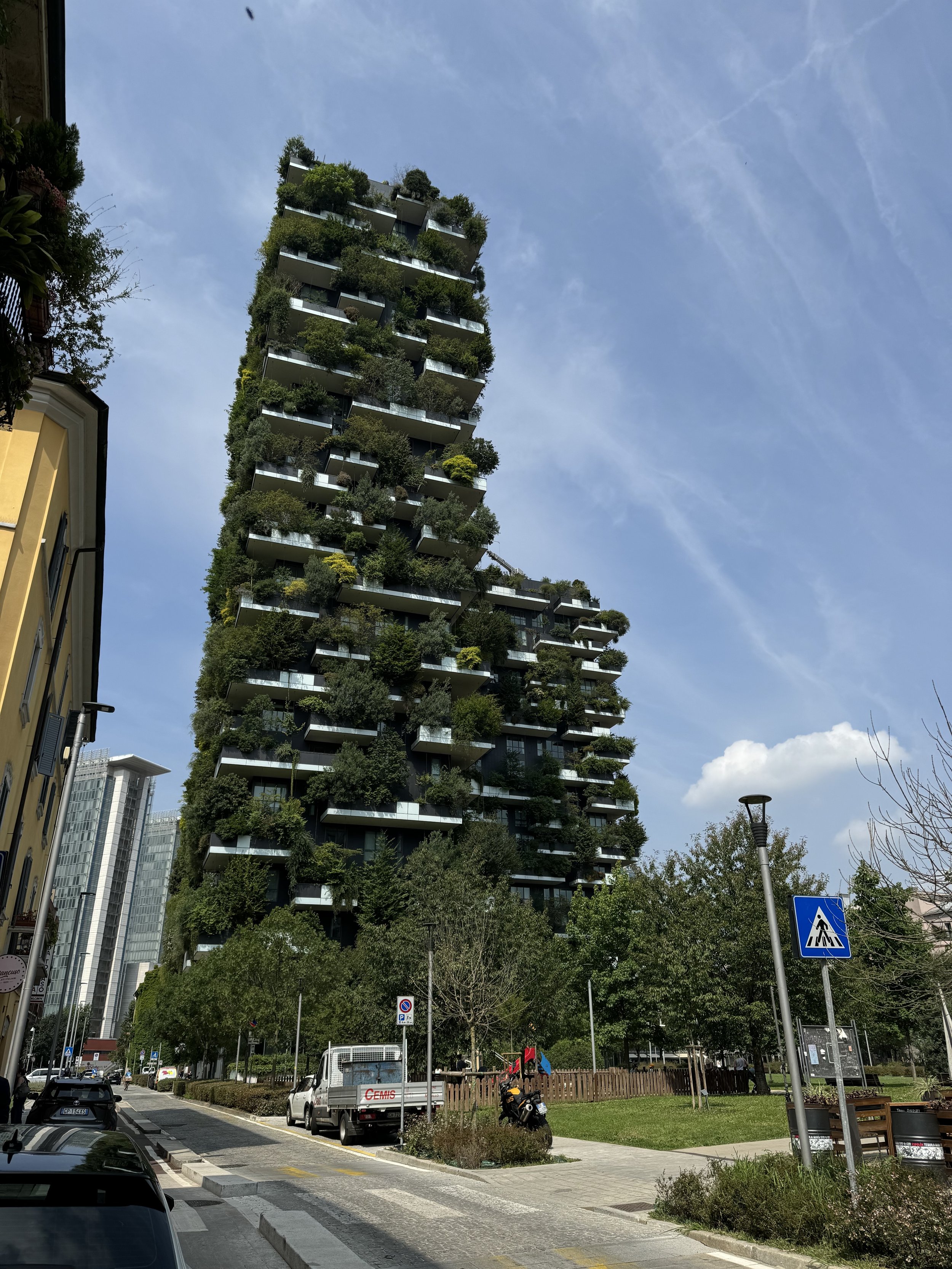
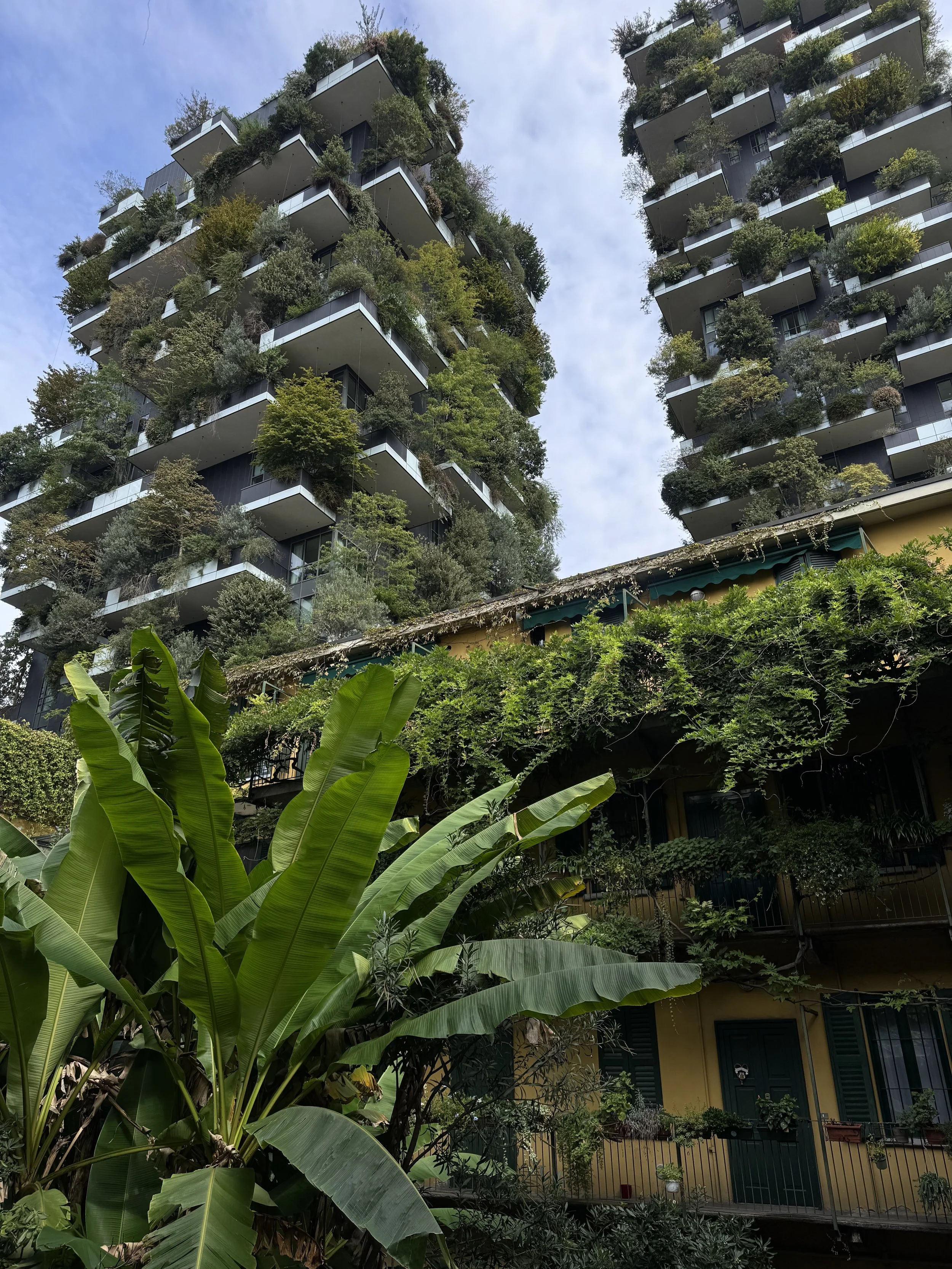
Isola is located in the north of Milan, directly between Garibaldi station and the Zara neighbourhood. It sits right next to the modern skyline of Porta Nuova but feels like a completely different city once you step inside it.
The neighbourhood was historically working-class and largely cut off from the rest of Milan by railway lines, which is where the name Isola (island) comes from. That physical separation shaped its character. Even now, with the Porta Nuova development surrounding it, Isola has kept an independent, local identity that sets it apart from almost anywhere else in the centre.
Area Overview
Location: North Milan, between Garibaldi and Zara
Main metro: M5 Isola, M2/M5 Garibaldi
Distance to Duomo: around 15 minutes by metro Atmosphere: creative, independent, younger, local
Isola is a compact neighbourhood. Most of what makes it interesting is accessible on foot within a 10 to 15 minute walk.
Coffee and casual spots
Isola has a strong specialty coffee scene, which makes it particularly popular with internationals and creatives.
Cuorepuro
One of the most established specialty coffee spots in the neighbourhood. Good for working or slow mornings. The space is small but calm.
Drogheria Manna
A neighbourhood institution. More traditional than specialty, but worth knowing. Local atmosphere, fast coffee at the bar, simple food.
Frida
A courtyard bar that becomes one of the most pleasant spots in the neighbourhood when the weather is good. Popular with locals for aperitivo and casual meals.
Food and prices
Isola has a mix of neighbourhood trattorias, small international restaurants, and newer spots that reflect the younger demographic.
Typical prices:
Pizza: 8 to 13 euros
Pasta: 9 to 14 euros
Aperitivo: 10 to 15 euros
Lunch menu: 10 to 15 euros
Prices are slightly more affordable than Brera or Porta Nuova, with more genuine neighbourhood options mixed in.
Things worth exploring
Piazza della Magi is a good starting point. From there, the surrounding streets are worth walking without a specific destination. You'll find independent bookshops, vintage clothing, design studios, and street art that changes regularly.
The neighbourhood is also close to BAM (Biblioteca degli Alberi), the park between Isola and Porta Nuova, which is one of the better outdoor spaces in the centre for walking and spending time outside, especially in spring.
Housing & Cost of Living
Isola is considered mid-range for Milan, though prices have risen over the past few years due to the Porta Nuova development nearby.
Average prices:
Room in a shared apartment: 700 to 950 euros per month
Studio apartment: 1,100 to 1,500 euros per month
More affordable than Brera or the centre, more expensive than Citta Studi or Porta Romana.
Transport & Accessibility
M5 Isola connects directly to the rest of the purple line. Garibaldi is a 5 to 10 minute walk and serves M2, M5, and several train connections, making Isola one of the better-connected neighbourhoods in the city despite not feeling particularly central.
Safety and atmosphere
Isola is generally considered safe during the day and in the evening. It has a lively but not chaotic atmosphere, particularly around Frida and the streets near Piazza Minniti.
During the day it feels relaxed and residential. In the evening it gets more social without becoming overwhelming.
Who this area is good for
Students and young professionals looking for a neighbourhood that feels genuinely local rather than curated. People who want good coffee, independent shops, and easy access to transport without paying Brera prices. Those who prefer a creative and slightly alternative atmosphere.
Less suitable for people who want luxury surroundings, a historic feel, or quiet residential calm late at night.
Isola is one of the most interesting neighbourhoods in Milan precisely because it has resisted becoming something else.